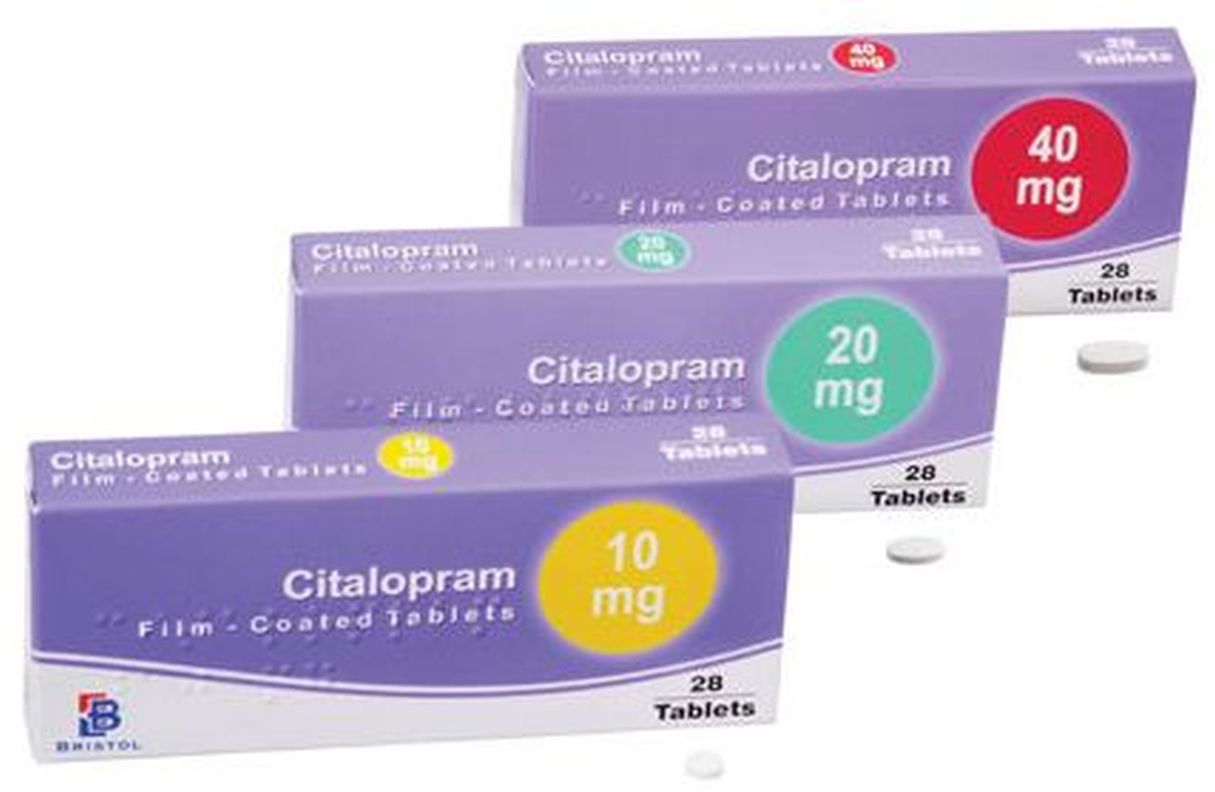
We are told that there are at present over 5 million users of antidepressants in the UK. Although these drugs give support to a large number of people with severe depression, it is evident that antidepressants are being prescribed, contrary to NICE Guidelines, to those who are not clinically depressed, and to whom they are likely to do more harm than good.
In 2009 my son, who had never been depressed in his life, went to see a doctor over insomnia caused by temporary work-related stress. He was prescribed the SSRI Citalopram, and within days he had taken his life. At my son’s inquest, the coroner rejected a suicide verdict, but delivered a narrative verdict, citing Citalopram by name as the “possible cause”.
After the inquest, I noticed that what happened to my son was far from unique. Eventually, in 2013, I began the “AntiDepAware” website. This includes links to reports of inquests held in England and Wales since 2003, most of which have been discovered in the online archives of local and national newspapers. It must be noted that this list is far from exhaustive but, even so, contains over 4500 reports on self-inflicted deaths, all of which are related to use of antidepressants.
As my research continued, certain trends became more noticeable, so that I was able to conclude that the link between antidepressants and suicide is heightened:
Much of my research has been directed towards children who have taken their lives after being prescribed antidepressants.
Because of the acknowledged risk of suicidal ideation, NICE Clinical Guideline 28 lays out three criteria, all of which must be met if antidepressants are to be prescribed to children under 18.
These can be summarised as:
In other words, NICE regards the prescription of antidepressants to children as an absolute “last resort” option. Nevertheless, antidepressants continue to be prescribed to children in ever-increasing quantities, in total contravention of NICE Guidelines.
I have also researched the over-prescription of medication for ADHD. This has been shown to lead to conditions like bipolar disorder in teens, which in turn has been mis-medicated with SSRIs.
Last year, I was contacted by a Human Rights organisation, asking permission to use my article The Lost Children as part of a submission to the United Nations Committee on the Rights of the Child in Geneva.
In June, the UNCRC published their investigation into children’s rights in the UK.
Sections 59-62 of the report dealt with mental health. Here, the committee voiced their concerns over the over-medication of children.
They reported that ”The actual number of children that are given methylphenidate or other psychotropic drugs is not available”, and that: “There is reportedly a significant increase in the prescription of psycho-stimulants and psychotropic drugs to children with behavioural problems, including for children under 6 years of age, despite growing evidence of the harmful effects of these drugs.”
One of their recommendations was to: “Ensure that prescription of drugs is used as a measure of last resort and only after an individualized assessment of the best interests of that child, and that children and their parents are properly informed about the possible side effects of this medical treatment and about non-medical alternatives.”
Earlier this year, the World Health Organisation had raised concerns about the rising level of antidepressants prescribed to children in the UK and other countries.
I don’t believe that the government has made public its response to either the UNCRC or WHO.
If prescribers in both the public and private sectors continue to ignore the guidelines published by NICE and the BNF, the numbers of adults and children who take their lives will continue to rise. These deaths are preventable.